
A heritage building in Panaji is often expected to do one of two things: preserve the past or make way for the present. There is, however, a more interesting possibility. It could do both.
Goa’s historic buildings can serve as centres for art, music and theatre according to leading voices from the city’s art, theatre, tourism, heritage and civic circles.
Corridors of these heritage buildings could host an exhibition, their courtyards a theatre performance and their rooms conversations that would otherwise take place in an air-conditioned conference hall.
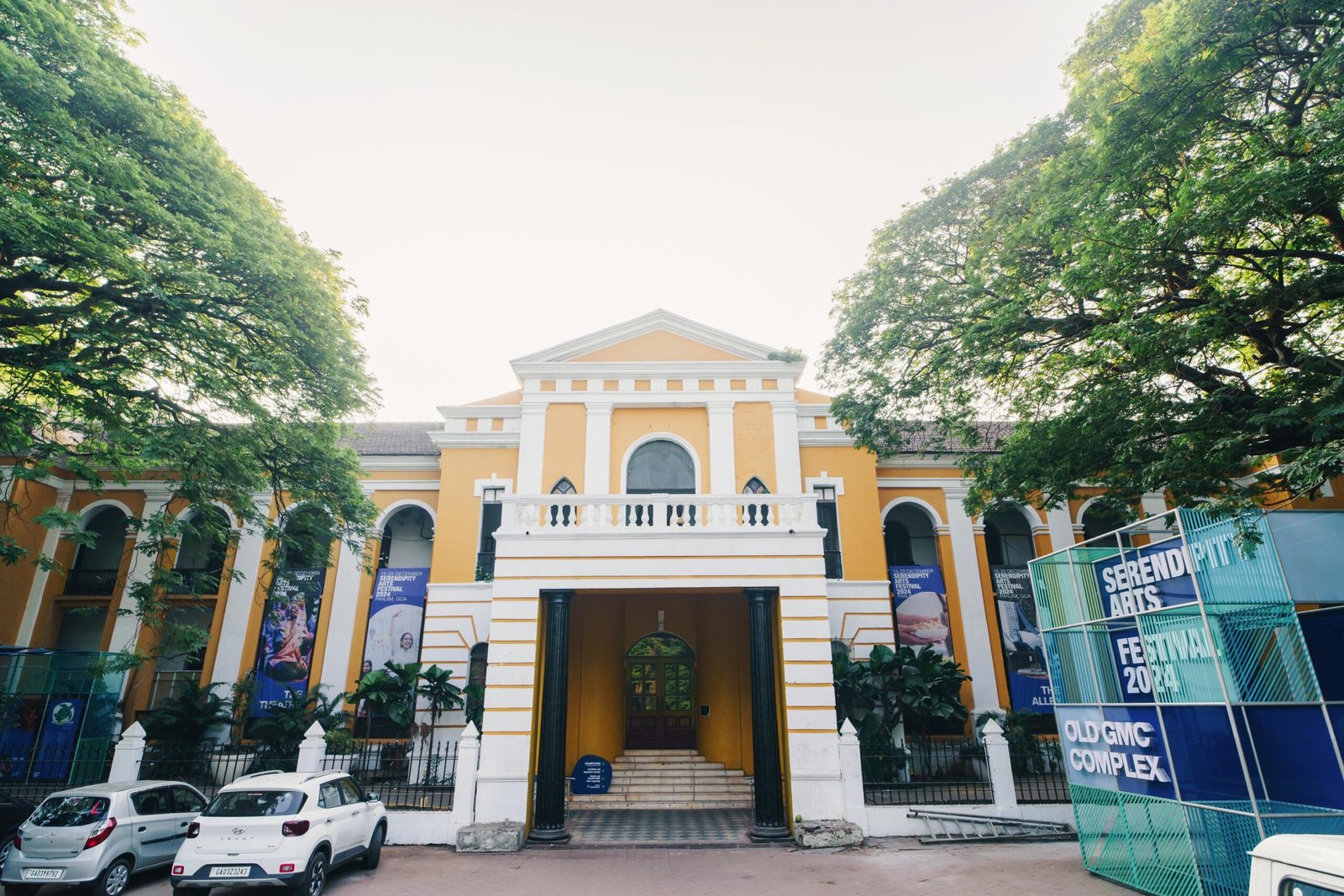
The Serendipity Arts Festival (SAF) is a great example of this. Come December, visitors can walk into Panaji’s heritage structures, such as the Accounts Building, Old GMC and Maquinez Palace which act as venues for art exhibitions, performances and interactive experiences. During SAF, these old heritage structures come alive as spaces of art.
The challenge, however, is to persuade people to look at these buildings as more than architectural survivors throughout the year.
Historian and heritage activist Sanjeev Sardesai believes Goa and Panaji has barely scratched the surface on this front. He points to Panaji’s Lyceum, the old Public Works Department building near Patto and the former Goa Medical College buildings as potential cultural spaces. Margao too, he says, has several beautiful Indo-Portuguese houses that could also be opened to the public.
“We have failed in identifying houses which can be used for art purposes,” he says.
Sardesai recalls the Fontainhas Art Festival that takes place annually. He reflected on how they brought exhibitions into 10 to 12 privately occupied houses. Residents offered their halls to artists, while visitors got to see the buildings and their architecture. Artwork sales also provided an incentive to homeowners. It is, he argues, a model worth revisiting.
For visual artist and researcher Diptej Vernekar, the architecture should ideally become part of the artwork rather than something that needs to be concealed behind temporary exhibition walls.
“It will be nice if the shows are in sync with the architecture, where the actual nature of the architecture becomes part of the exhibition or display,” he says.
Vernekar recalls the exhibition Multiplay by Gurugram-based artist duo, Thukral and Tagra, where the arrangement of rooms and the building’s existing features enhanced the experience during their performance at a previous edition of the Serendipity Arts Festival (SAF). Heritage restrictions on drilling and permanent installations can make exhibition design difficult, but he believes they also encourage creative solutions.
The possibilities are not confined to visual art alone. Keatan Jadhav, actor, director and founder of Goa based independent theatre collective and experimental performance lab, Theatre Flamingo, sees unconventional buildings as opportunities to take theatre closer to audiences. Inspired by Indian dramatist and theatre director
Badal Sircar’s ‘Third Theatre’ which strips away costly sets, lighting, costumes, and mechanical devices to rely on the actor’s body, voice, and direct audience contact, Jadhav believes performances need not be restricted to auditoriums.
“Why can’t we do Romeo and Juliet in real structures?” he asks, imagining a performance staged in an actual courtyard, with spectators seated as they would be during a traditional Goan performance.
Jack Sukhija, president of the Travel and Tourism Association of Goa, believes adaptive reuse could help generate revenue for the upkeep of heritage properties. Art, music and theatre, he says, are “the ideal use for heritage buildings,” and “Panaji has great potential to be a cultural city.”
But civic bodies “don’t have the funds for this,” says Jack, also a Panaji Councillor, and “don’t have the capacity to manage it.” Partnerships with specialised organisations such as the Aga Khan Foundation, he suggests, could provide a sustainable way forward while retaining public access.
The larger question is who gets to participate in this cultural revival. Sardesai believes local artists and Goa’s diverse cultural traditions need greater representation in festival programming. “We have got some really good artists in Goa,” he says.