
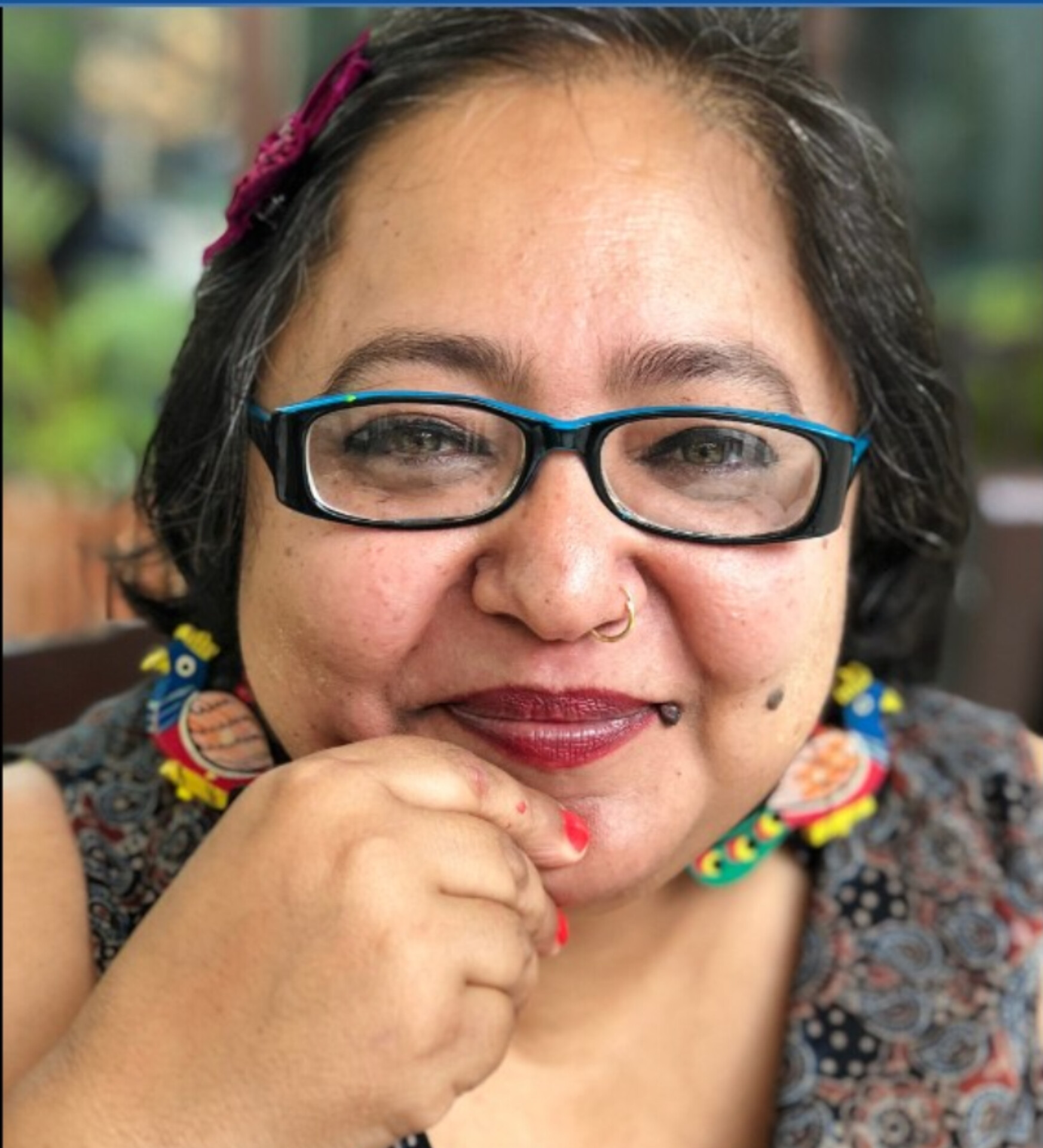
Journalist and writer Paromita Vohra started the path-breaking website, ‘Agents of Ishq’ ten years ago. It is followed widely for its eclectic content. Paromita, who is attending the 14th Goa Arts and Literature Festival, shares her thoughts in a Q&A with LIVE NEWS GOA.
•’Agents of Ishq’ website has completed 10 years recently. Kindly tell us about the genesis, why it was started and what has been achieved?
PV: Agents of ishq was begun as a space for honest conversations about sex, love and desire, rooted in an Indian context. I wanted to create a space that would be affectionate, inclusive and exploratory – where anyone could enter on their terms – and where young people especially could get sexuality education information as well as help with thinking about related experiences of queerness, consent and relationships. The website was envisioned as exuberant, pleasure positive and very desi – without any alienating language, without any prescriptions. Though most people were skeptical about such a thing working in India, in fact people very much needed it and once we launched the responses were overwhelming and excited. Over time I think Agents of Ishq has really created a comfortable Indian language for talking about sex, desire, love and also created a space for the emotional world that surrounds these questions. In some ways it opened up the landscape of sexuality online, shaping the discourse and making way for many influencers today. But perhaps its most unexpected and beautiful outcome was the number of people who began sending in their own life-experiences in the form of the personal essays that now can be found in the Agents of Ishq anthology. These stories really revealed a farm more complex world of experiences and ideas, and they reshaped the contours of the discussion, making it a genuinely co-created one.
• Why do you think “sex” is still taboo in the land of Kamasutra? What needs to change and how?
PV: I don’t think sex is taboo everywhere. We see that there are a number of people who do not always live with a sense of shame and censoriousness. I think it’s important that we give more room to those voices and stop emphasising the negative voices so much. We will then see our land very differently.
•Do you think women in India are finally asserting themselves more and challenging traditional male chauvinism and patriarchy?
PV: Yes, there has been a seachange in how women across different backgrounds express themselves and resist the status quo. The fight is differently hard depending on your background – your caste, your religion, your class. But there is a deep awareness of inequality and a wish to not only fight against it, but to do so with a certain joy and self-expression.
•If men still treat women badly in India in general, do you think mothers primarily or fathers are to blame?
PV: It’s strange that one always blames mothers – as if fathers have no role to play in reshaping the way children think. I believe it is time for men to be very different, to become more self-aware about ordinary normalised behaviours of gender – it’s not enough to speak of rights, one has to also be willing to change one’s own relationship with others and fashion a masculinity that is more equal, more co-operative and not so steeped in the idea of dominance and power. It is time to stop seeing mothers as the only parent and see all of society as an interwoven, intersectional world that changes in tandem.
• How excited are you about being at the Goa arts and literature festival and why?
PV: I’m delighted to be here – it’s a festival that seems gentle and interested in art and ideas and it has a significant programming for young people which I think is teriffic.