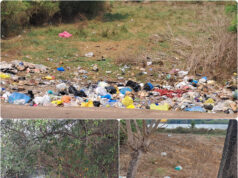

For long, Goa’s identity has been inseparable from its landscapes. Its beaches, forests, mangrove creeks and waterfalls are not only ecological treasures but also the spaces through which the state experiences tourism and everyday life. Yet across many of these places, another element has begun to appear more frequently than before: litter.
Waste is no longer limited to towns, roadside bins or dumping grounds. It is increasingly visible along trekking paths, near waterfalls, inside mangrove forests and across coastal stretches. Packaging discarded in tourist areas or settlements often travels far from where it was first thrown away, carried by wind, rainwater and human movement into fragile ecosystems.
Those who regularly spend time in these landscapes say the change is noticeable. Aarti Das of Eco Treks Goa, who frequently leads treks across forest trails, says trekking groups often encounter garbage along routes that were once largely undisturbed.
“As a trekker and being part of Eco Treks Goa we sometimes bring back the garbage which is lying around a trail. We encourage trekkers to carry their own cups and plates which are not disposable. This reduces waste and also builds the habit of trekking in a sustainable way,” she says.
Some groups also organise clean-up treks to remove litter left behind by visitors. Yet Das says such efforts can only go so far. “It is not possible to collect garbage all the time. What we really need is awareness. Trekkers and visitors should carry their own bottles, plates and cups and avoid disposable items.”
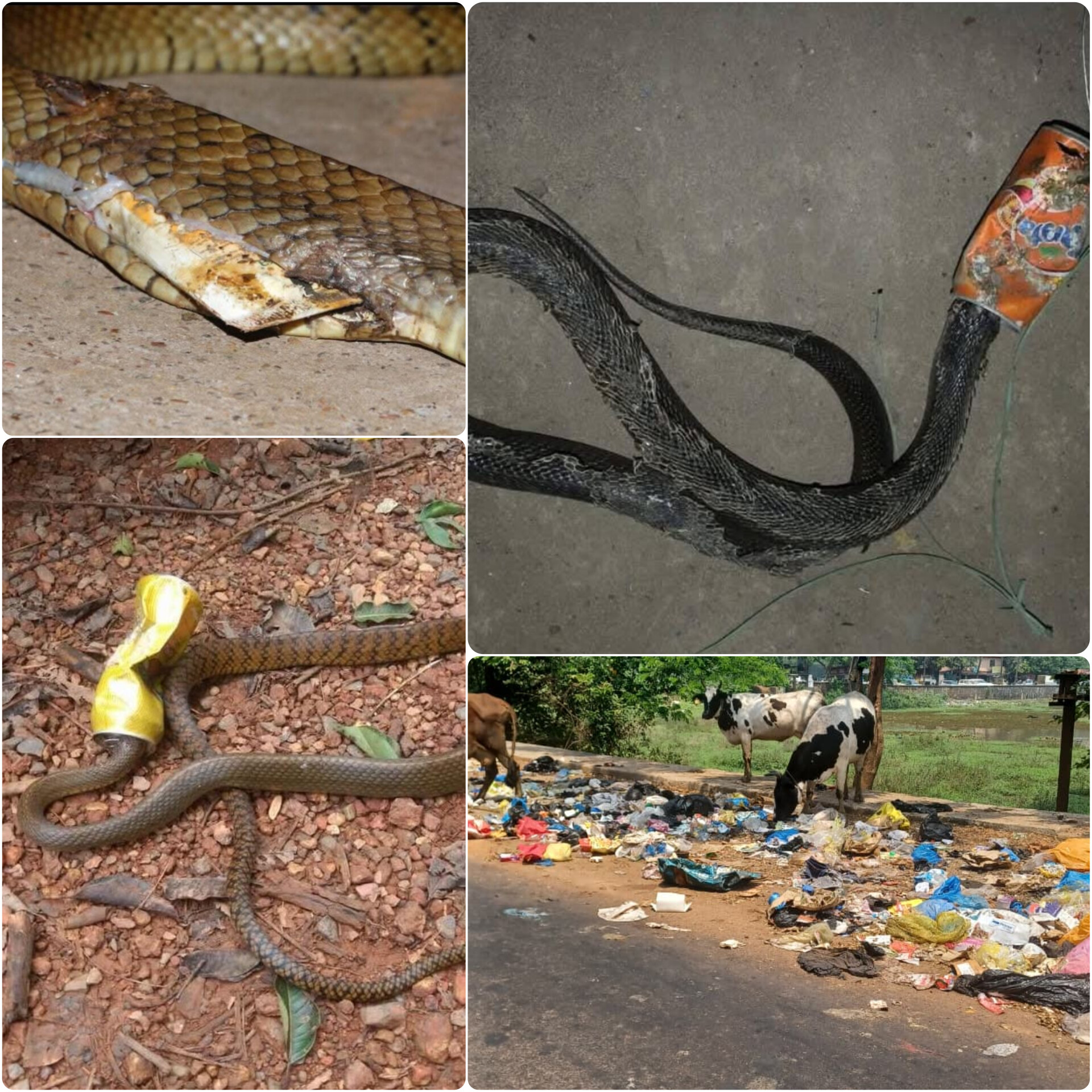
Wildlife rescuers say discarded waste can have serious consequences for animals. Shricharan Desai of SAWE Goa, who responds to rescue calls across forested areas, says animals frequently get injured or trapped in garbage left behind in the wild.
“We regularly come across snakes or other animals suffering from injuries related to irresponsible garbage disposal in forest areas. There have been cases of snakes getting their mouths stuck in beer cans, dogs with their heads trapped in plastic jars and even monitor lizards stuck inside plastic containers,” he says.
In some cases animals mistake waste for food. According to Desai, food waste attracts rodents whose scent can mislead snakes into swallowing plastic or metal objects.
Tourism has intensified the pressure on these landscapes. Goa receives more than one crore visitors each year, a number far larger than its resident population. The surge in consumption of packaged goods such as bottled beverages and snack wrappers increases the volume of material circulating through public spaces.
Environmental observers say one way to change behaviour is by attaching value to the waste itself, so that discarded packaging is no longer seen as waste but as recoverable material that someone will collect and return. When waste carries value, it is less likely to be abandoned in forests, trekking routes or waterfalls.
For Bianca Dias, founder of Off Trail Adventures, the problem is not only litter but also the growing crowds visiting fragile natural areas.
“In my opinion it’s not only the garbage but the overcrowding of these beautiful places by people who have no sense of responsibility towards their surroundings,” Dias says. “For me the forest is a place of worship and the waterfall’s meditation.”