
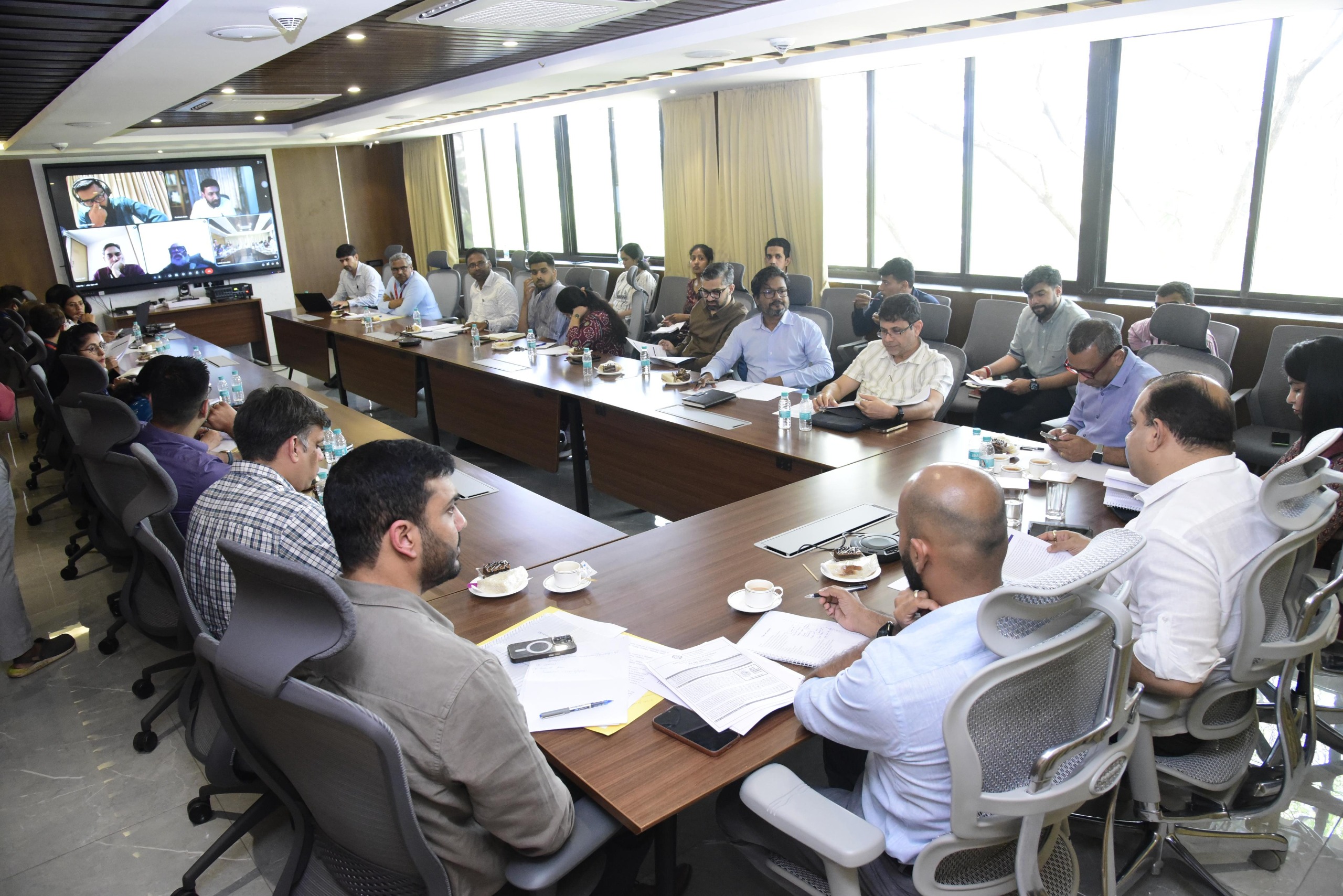
As part of the vision to position Goa as a forward-looking hub for emerging technologies, a meeting was held today at Paryatan Bhavan, Patto, Panaji to deliberate on Artificial Intelligence governance and the formulation of a comprehensive AI Policy for Goa.
The meeting was chaired by Minister for Information Technology, Electronics & Communications, Rohan Khaunte. Also present were Santosh Sukhadeve, IAS, Secretary (IT); Kabir Shirgaonkar, Director, Department of Information Technology, Electronics & Communications (DITE&C); Praveen R. Volvotkar, MD ITG; Dr. Milind Sakhardande, Joint Director DITE&C; Revati Kumar, CEO & ED of GEL; D. S. Prashant, CEO, SITPC, DITE&C; Sharda Katare, Head SEMT; Arvind Bugde, Joint Secretary, Law; Chinmay Kamat, Secretary, GTA; Ambika Dhakhenkar, Deputy Director, GCCI; Dr. Kavita Asnani, SHEC, Directorate of Higher Education; Manoj B Sawaikar, Deputy Director, Directorate of Education; Dr. M. S. Krupashankara, Principal GEC; Royon Carvalho, Member IT, ASSOCHAM; Darshana Kossambe, Assistant Director Associations, ASSOCHAM; Fabio Fernandes, Executive ASSOCHAM; Prajyot Mainkar, Founder & CEO, SoFueled and Sagar Kumar, Consultant, Grant Thornton.
Shubham Arora, Founder of Sarvam AI and Guru Prabhaker, Director-Sales at Sarvam AI along with Kartik Suri, General Manager of FutureSkills under IndiaAI Mission and Mangirish Salelkar, President, GTA, also participated in the discussion online.
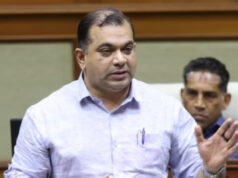
Addressing the gathering, Rohan A. Khaunte emphasised that Artificial Intelligence is rapidly emerging as a key driver of innovation, governance and economic growth. He stated that Goa must proactively adopt forward-looking policies to harness the transformative potential of AI while ensuring that its benefits reach every section of society.
The Minister further highlighted the vision of Prime Minister Narendra Modi for the democratisation of Artificial Intelligence, noting that AI must empower citizens, improve governance and support inclusive development. In this context, he emphasised that Goa’s AI policy must be designed to enable responsible adoption of AI while promoting innovation and entrepreneurship.
During the meeting, stakeholders deliberated on priority sectors where Artificial Intelligence can significantly strengthen governance and public service delivery, including tourism, agriculture, healthcare, education and e-governance. Discussions also focused on building a robust ecosystem for AI innovation, startups, research, skill development and industry collaboration in the State.
Participants highlighted the importance of leveraging Goa’s strong talent pool, academic institutions and startup ecosystem to position the State as a hub for emerging technologies. Experts from industry and national initiatives shared insights and best practices to support the State in designing a forward-looking and practical AI policy framework.
Representatives from Sarvam AI, a full-stack generative AI platform built with sovereign AI models, and IndiaAI Mission also participated in the deliberations and shared perspectives on emerging trends in Artificial Intelligence and the importance of building indigenous AI capabilities for governance and innovation.
The meeting also discussed the importance of developing AI solutions in local languages, including the development of a Konkani Large Language Model (LLM) in collaboration with national initiatives such as Bhashini, to ensure that AI tools remain accessible and inclusive for citizens of the State.
The Department informed that the Draft AI Policy for Goa had been circulated among stakeholders for deliberation and inputs, and further consultations will continue in the coming weeks to refine the framework. The proposed policy will align with the vision of the Goa AI Mission 2027, aimed at promoting innovation, strengthening digital governance, and creating new opportunities in emerging technologies.