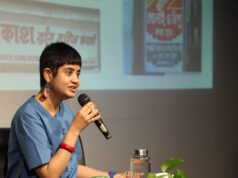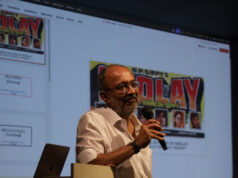

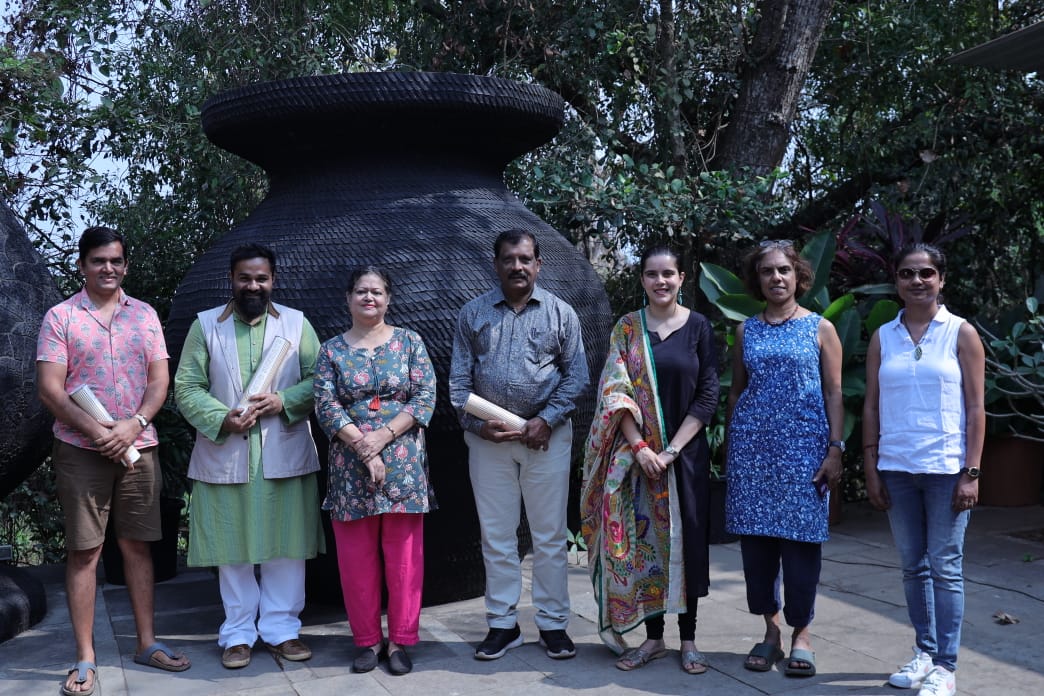
Justice-related work in Goa is often carried out in isolation, almost in silos, with communities, organisations and institutions working alongside each other on the same social issues without adequate coordination, observed participants at a recent ‘Design for Justice’ programme held at the Museum of Goa (MOG) as part of the MOG Sundays series.
The two-day programme brought together civil society organisations, students, designers and practitioners to examine how people-centred, design-led approaches can help shape more inclusive justice systems in the state. The discussions focussed on mapping Goa’s justice landscape, sharing community-led interventions and creating spaces for cross-sector dialogue.
Aditi Nayak, a research associate at Justice Adda, a community-centred justice collective, said the programme emerged from reflections following the 2023 Design for Justice Conference, which was also held in Goa, which highlighted the absence of shared platforms for collaboration despite the volume of justice-related work underway in Goa.
“What became clear was that many organisations are responding to urgent issues on the ground, but often in isolation,” she said. “This programme was created to slow down, map these efforts together, and begin identifying shared priorities.”
Participants presented initiatives addressing a wide range of issues, including environmental protection, land rights, mental health, gender justice, tribal rights and the social impact of emerging technologies. Speakers noted that while the focus areas differed, many initiatives
were rooted in lived community experiences — from coastal communities responding to ecological degradation to residents engaging with governance and legal processes that directly affect their everyday lives.
The discussions brought together voices from across law, academia, human rights, environmental advocacy and technology. Speakers included academic Asawari Nayak; advocate Aurobindo Gomes Pereira; human rights activist Cyril Fernandes; environmental lawyer Sreeja Chakraborty; AI and marketing technology practitioner Karn Malhotra; Maya de
Souza; and Sayonara Tellis Laad, former judge of the Children’s Court.
Participants drew on their professional experiences to examine how justice is encountered in everyday settings and
how design-led approaches can improve access and participation.
Drawing from Justice Adda’s work, Aditi explained that design for justice involves paying attention to how people experience systems in practice, beyond formal laws and policies. “We use visual tools and storytelling methods to simplify complex legal information so communities can actually make use of it,” she said, adding that such approaches help bridge gaps between institutions and the people they are meant to serve.
A recurring theme during the sessions was the idea of justice as an ecosystem rather than the responsibility of a single sector.
Participants emphasised the need for better coordination, shared resources and sustained engagement among communities, civil society organisations,
institutions, educators and young practitioners.
As part of the programme, participants collectively mapped challenges within Goa’s justice landscape. Common concerns included limited resources, difficulties in sustaining long-term
work, barriers within governance systems, and persistent insider–outsider dynamics.
Speakers also noted that justice in Goa is shaped by multiple, sometimes competing, understandings of who justice is for, making dialogue across perspectives essential.
Organisers said the programme aimed to lay the groundwork for future collaboration, with the ideas and relationships formed which are expected to inform more co-ordinated and inclusive approaches to justice in Goa.