

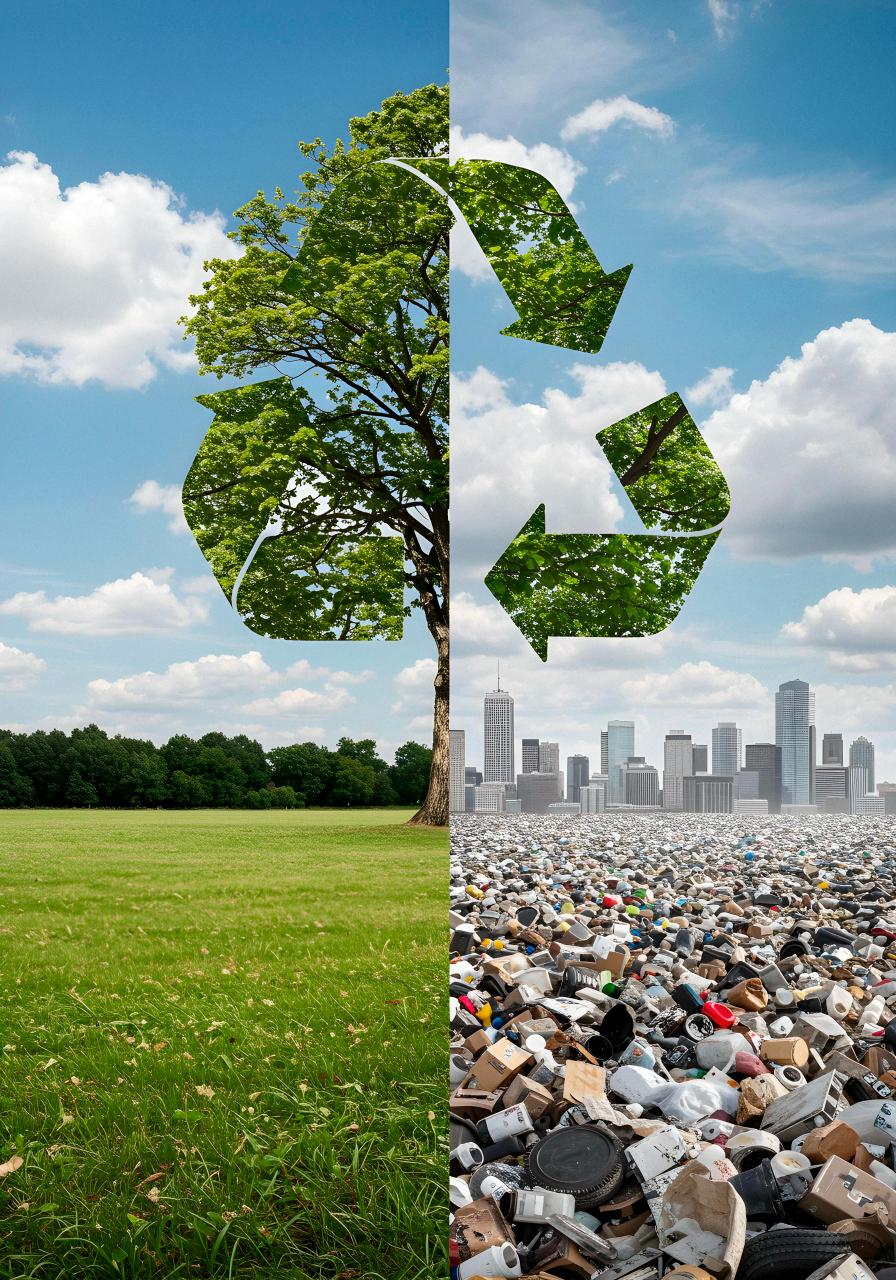
March 30, observed globally as the International Day of Zero Waste, is a reminder that sustainability begins with everyday choices—sometimes at home or in one’s neighbourhood. In a state like Goa, where local communities and tourists intermingle, the globally recognised day presents an opportunity to demonstrate how responsible consumption and efficient systems can work together at scale.
“What we often dismiss as ‘waste’ is frequently just material in the wrong place. The moment we mix wet organic waste with dry recyclables, we create contamination that makes recovery both technically difficult and prohibitively expensive,” says Richard Dias, Director, Avana Infra and sustainability consultant, suggesting how waste in Goa’s famed tourist belt can be better handled at source.
For Environmental Engineer and Waste Management Specialist, Dylan Fernandes, the way forward lies in decentralised waste management. “Decentralised waste management is the most suitable and efficient approach for a small, tourism-driven state like Goa,” he says. Such models, he adds, allow better control across the value chain—from segregation and collection to processing—while improving recovery rates.
At the most basic level, the shift begins at home. “Segregation at home and avoid littering or burning waste,” says Urban designer Saritha Sudhakaran, who is guiding people to lead a sustainable and zero-waste lifestyle, emphasising that consistent, everyday actions can significantly improve outcomes across the system.
The coastal state known for its beach and nightlife tourism, ranks highest in the country when it comes to per capita waste generation, producing around 12,000 grams of waste per person, per year.
According to Jonah Fernandes, owner of ZeroPosro, Goa’s First Zero waste Store, the next 10 years in Goa are likely to be less about waste management and more about waste reduction. “We’re slowly realising that we cannot ‘manage’ our way out of a consumption problem. Right now, the system is still struggling with basics like segregation, collection, and processing. But the direction is clear.
Goa has already set an ambition of becoming a zero-waste, zero-landfill state, and that’s the right vision,” he said.
Architect and sustainability advocate Tallulah D’Silva expands this into a collective effort. The journey to zero waste, she says, lies in individual choices and community action—composting wet waste, reducing non-biodegradable packaging consumption, carrying cloth bags and engaging with local vendors.
“If each one of us takes a pledge that I will reduce my waste… these actions become opportunities to create awareness,” she says, calling for community-driven efforts—from village campaigns to conversations with tourists—to sustain momentum.
For lasting impact, however, the change must begin early, right from schools. Headmaster of Ravindra Kelekar Dnyanmandir, Margao, Anant Agni stresses the importance of instilling values of cleanliness in young minds and cites the importance Mahatma Gandhi gave to cleanliness.
“Gandhiji linked cleanliness with the removal of untouchability and with self-reliance.
Today, we are slowly forgetting the principles of cleanliness. Cleanliness is not only everyone’s right, but also a basic responsibility of every individual. The values of cleanliness should be instilled in children from a young age. It helps us understand the culture and values of society. Therefore, we should keep the mantra ‘Swachhamev Jayate’ in our hearts,” Agni said.
In that convergence of ideals lies Goa’s zero-waste potential, where communities, systems and policy align to shape a social model where less is wasted, more is recovered, and sustainability becomes part of everyday life.
