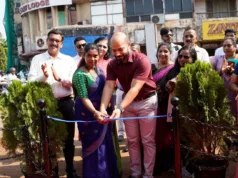

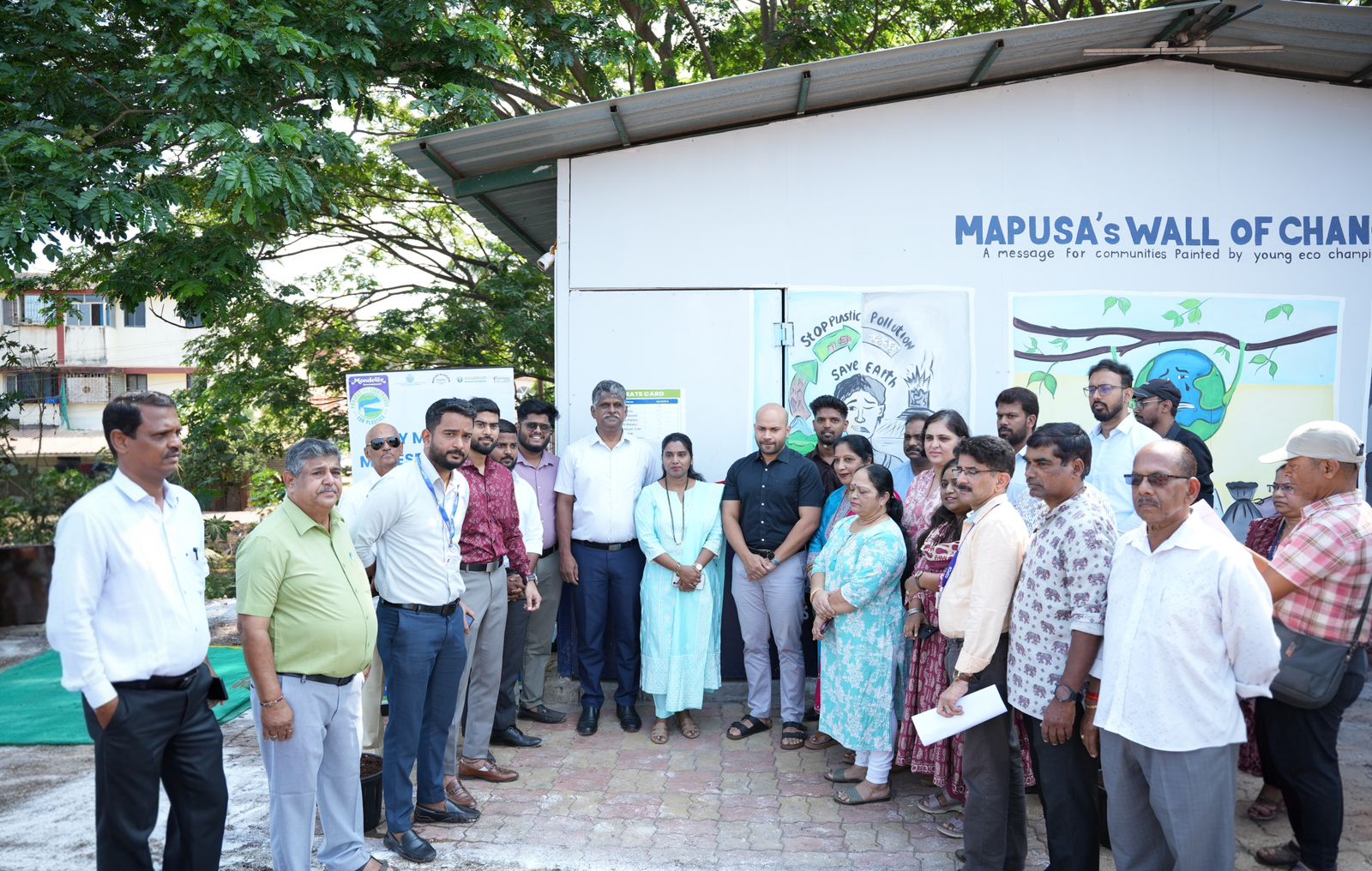
On the occasion of Global Recycling Day, Mondelez India Foods Pvt. Ltd., in partnership with Anubhuti Welfare Foundation, inaugurated its second Dry Waste Collection Centre (DWCC) in Mapusa under the Plastics Lighthouse Project.
The project is aimed at transforming Mapusa into a net-zero plastic town by strengthening waste management infrastructure, driving citizen participation, and enabling circular economy practices. The new DWCC will enhance the town’s ability to efficiently collect, sort, and channel dry waste into recycling streams.
Local MLA Joshua De Souza, Deputy Speaker of the Goa Legislative Assembly, said: “A second Dry Waste Collection Centre (DWCC) was launched today under the Plastics Lighthouse Project – a CSR initiative of Mondelez India Foods Pvt Ltd. Citizens are encouraged to bring their dry waste to this centre and benefit from proper disposal, rather than discarding household waste on roadsides. This initiative along with active participation of the citizens will play a vital role in keeping Mapusa clean and green.”
Speaking of the initiative, Ophira Bhatia, Vice-President, India and Lead, AMEA, Corporate & Government Affairs, Mondelēz International, said: “The launch of the second DWCC marks another important step in our journey to support Mapusa in becoming a model for plastics circularity. Over the past two years, the project has helped divert over 4,000 metric tonnes of waste, including more than 350 metric tonnes of plastic, from landfills. We have also supported the Material Recovery Facility in progressing towards long-term sustainability. We believe this model has strong potential to scale and contribute to a more circular economy”.
Mapusa, like many growing towns in India, faces increasing waste volumes with limited infrastructure. The Plastics Lighthouse Project addresses this by strengthening the waste ecosystem from households to recycling, through better infrastructure and efficient collection systems.
The Material Recovery Facility (MRF) in Cunchelim currently processes 5–8 tonnes of dry waste daily, ensuring that more recyclable material enters formal recycling channels.
The project also focuses on improving segregation at source, introducing 4-way and 8-way segregation across residential communities, institutions, and commercial establishments. It is currently working with eight Resident Welfare Associations that have achieved 100% source segregation, with over 90% of waste being recyclable.
Awareness initiatives have reached over 42,000 residents across the town (nearly 75% of Mapusa’s population), encouraging responsible waste management practices.Overall, the initiative has diverted over 4,100 metric tonnes of waste from landfills and recycled more than 365 metric tonnes of plastic, strengthening Mapusa’s journey towards a circular waste management system.